2020-12-03 Heidelberg
Doctoral Research Forum
Invisible Workers
The Case of epidat
: Research Plattform for Jewish
Epigraphy
online https://digicademy.github.io/2020_HD
Thomas Kollatz digital academy@Academy of Sciences and Literature | Mainz
 @_epidat
 CC-BY 4.0
01
Symbols, Stonemasonry, Sculptors
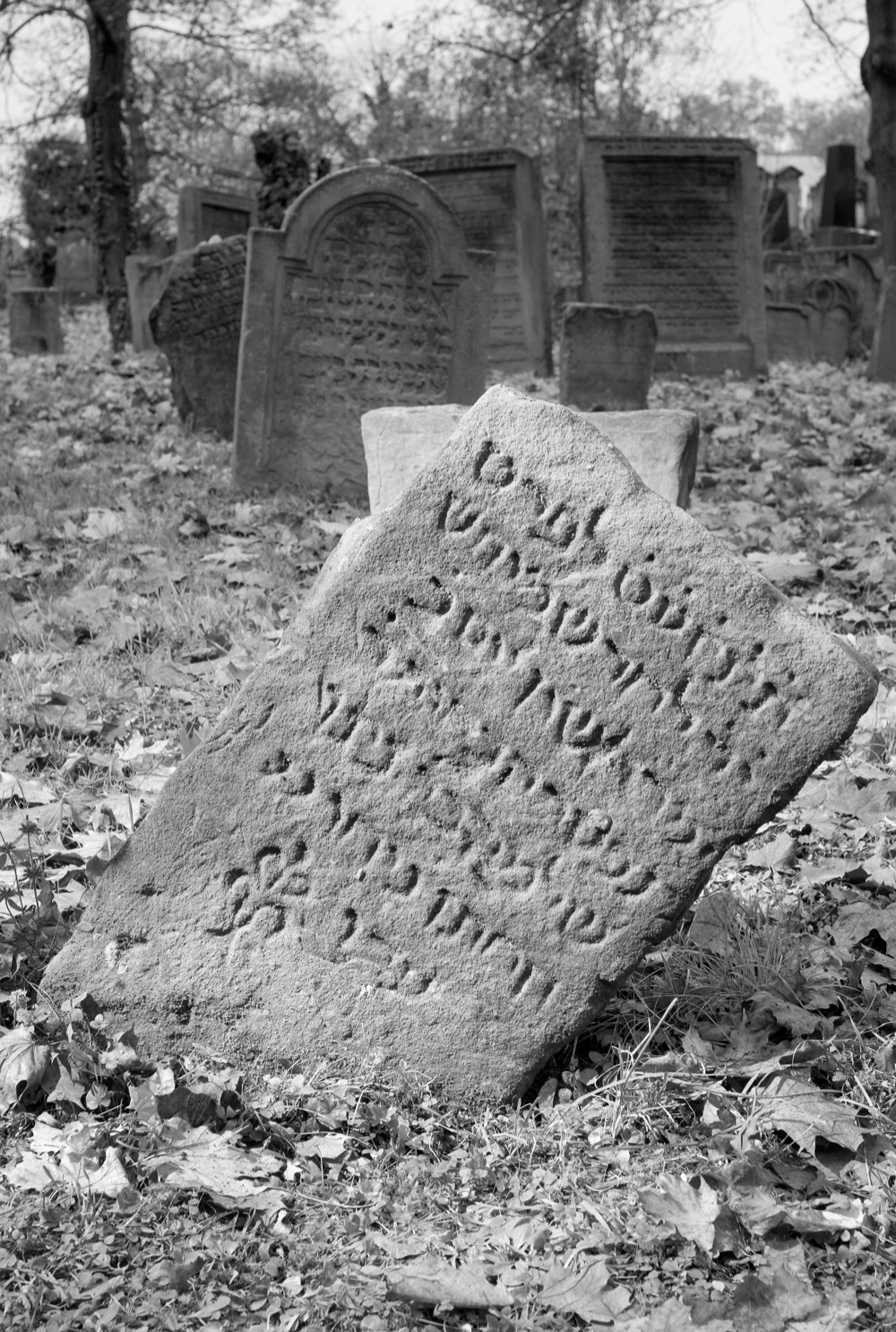
headstones from nine centuries
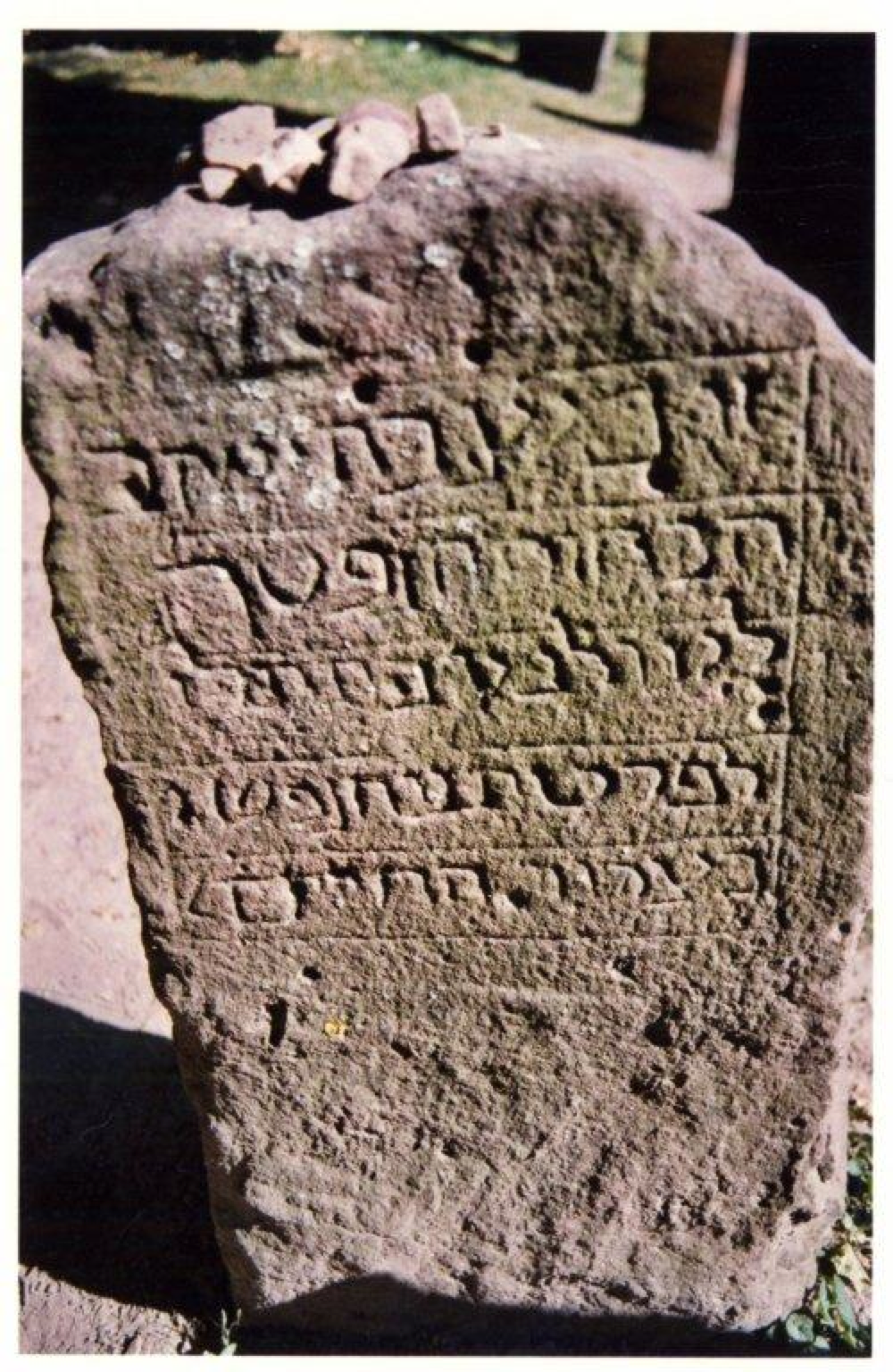
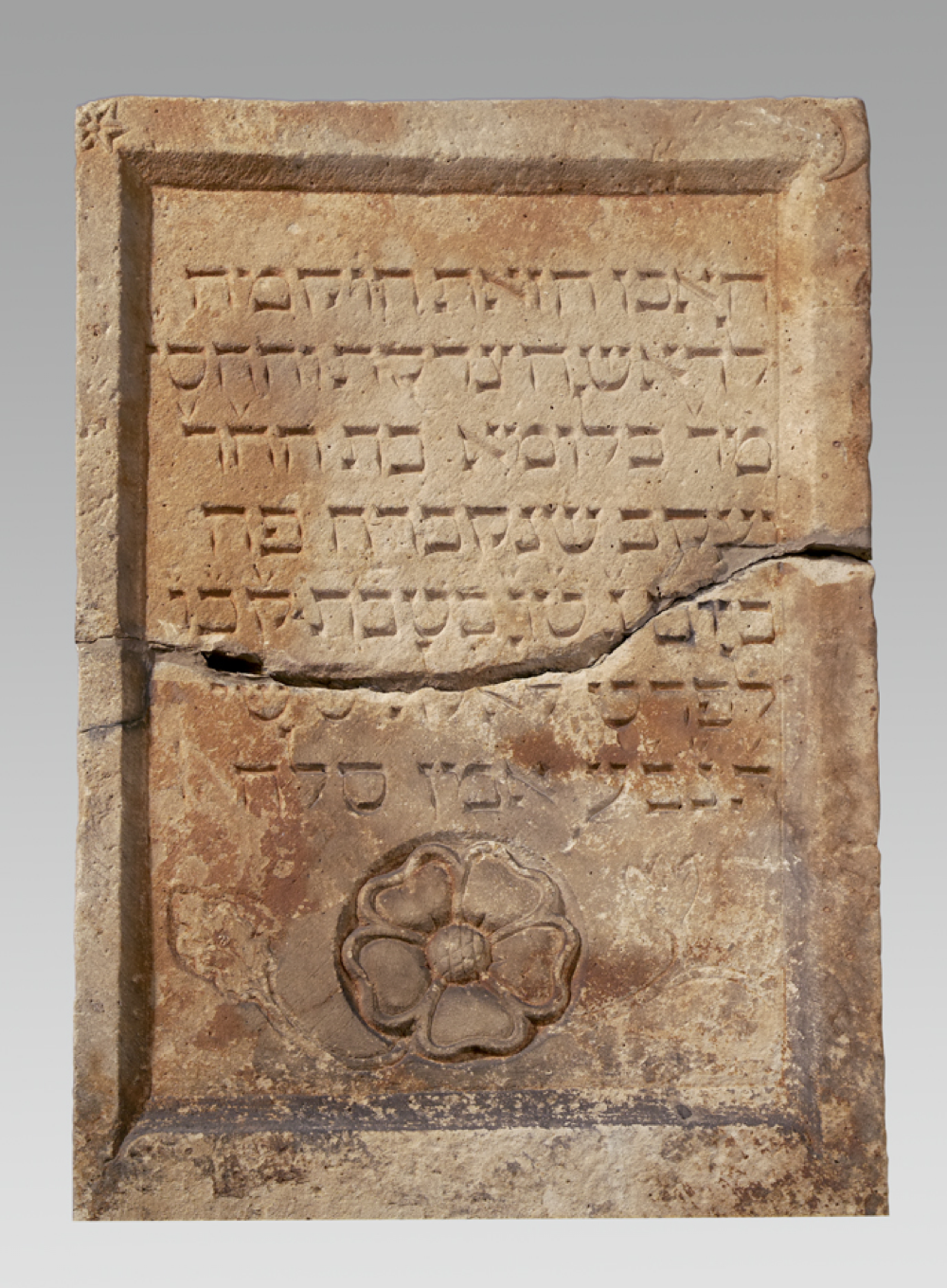
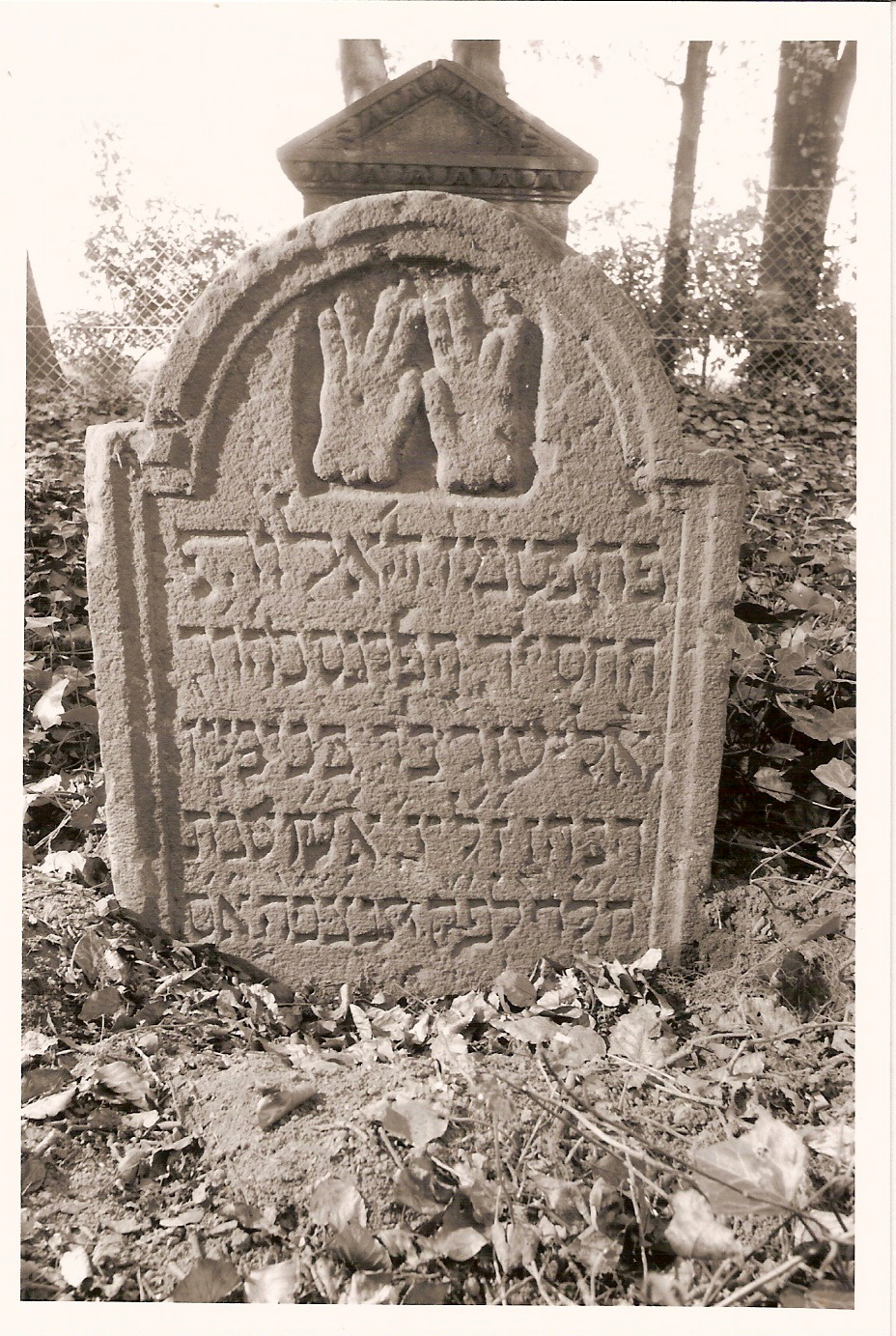
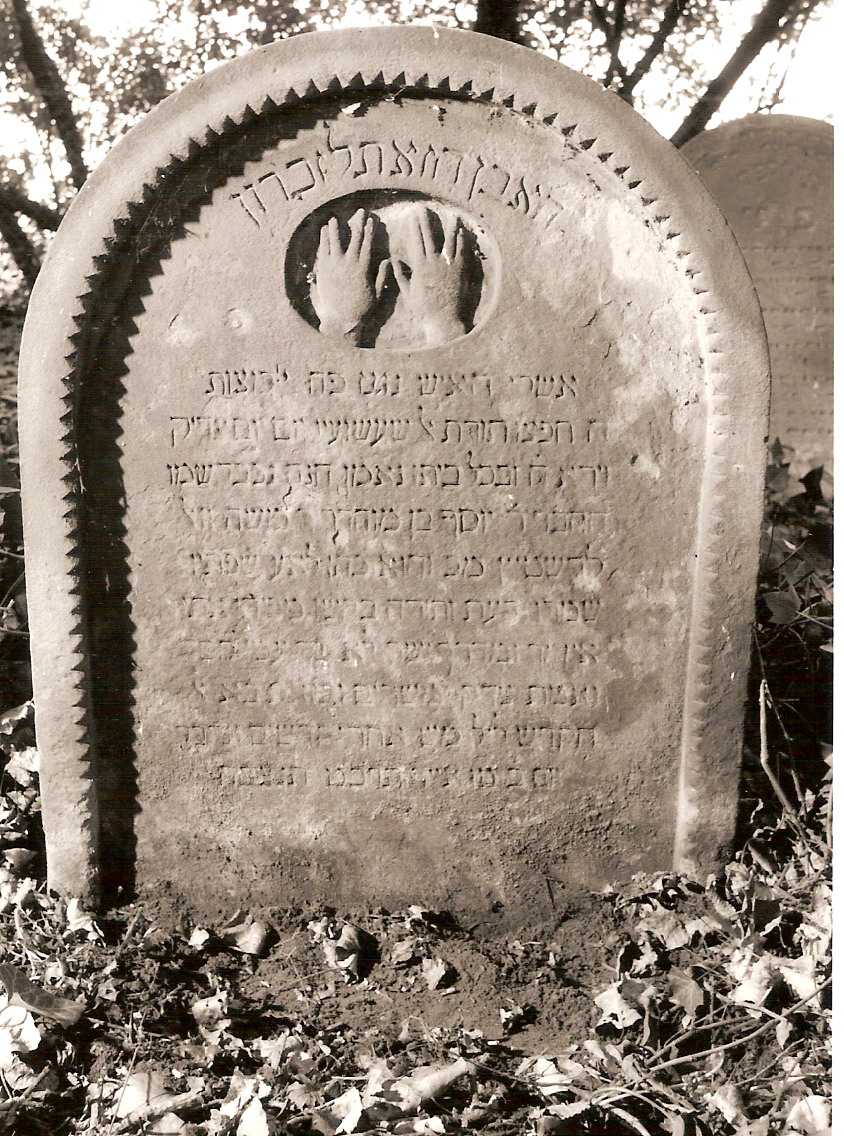
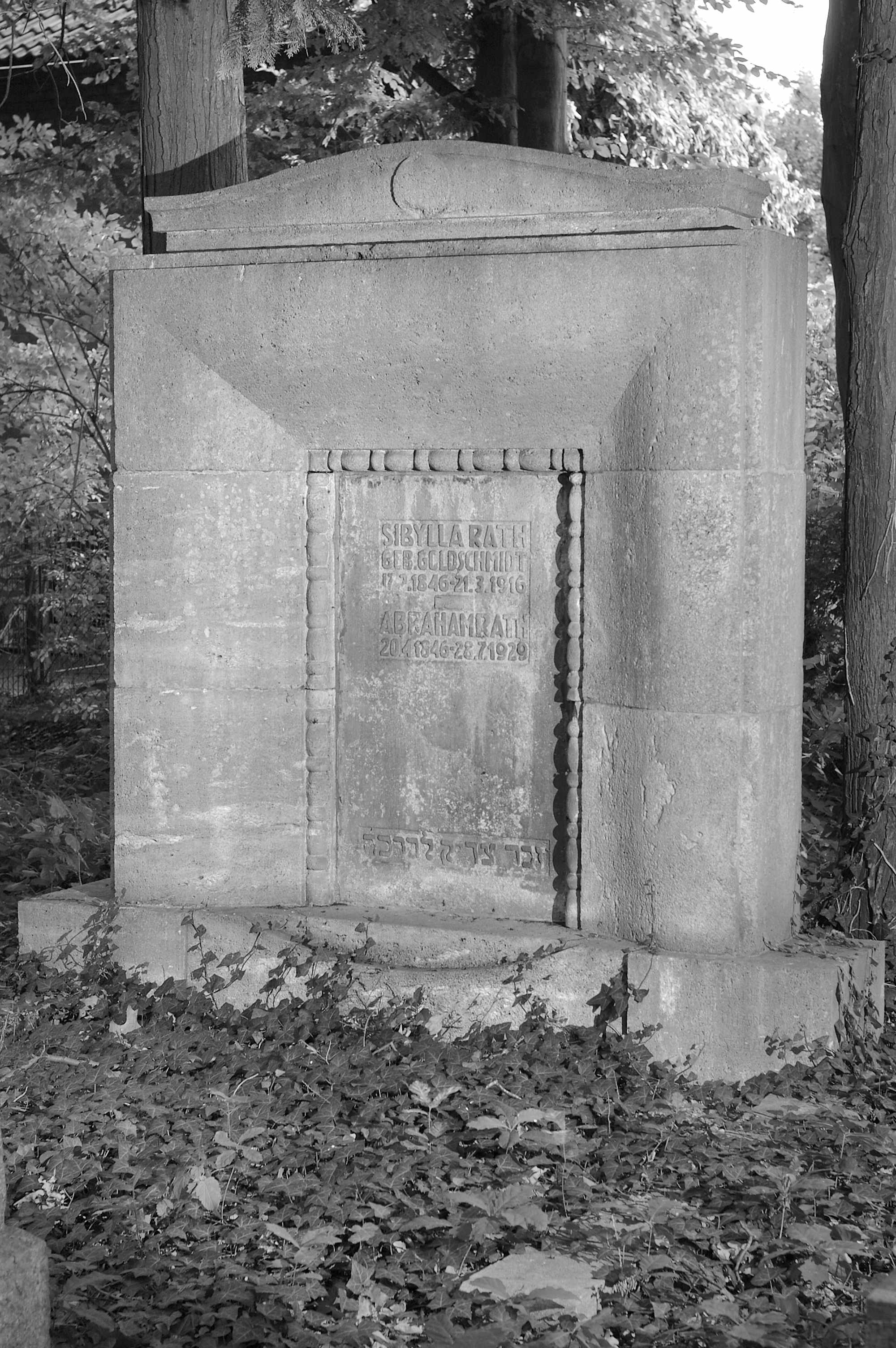
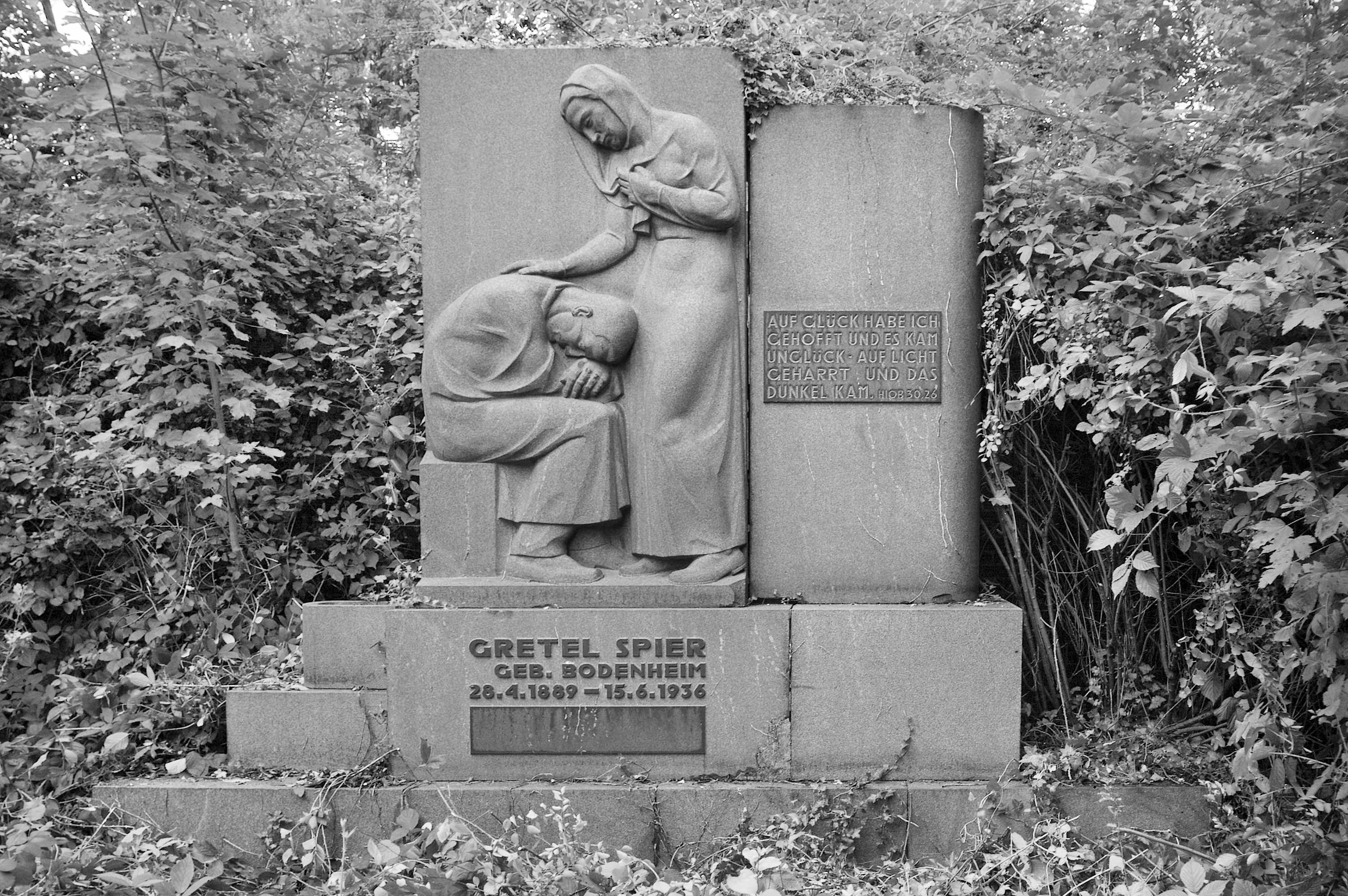
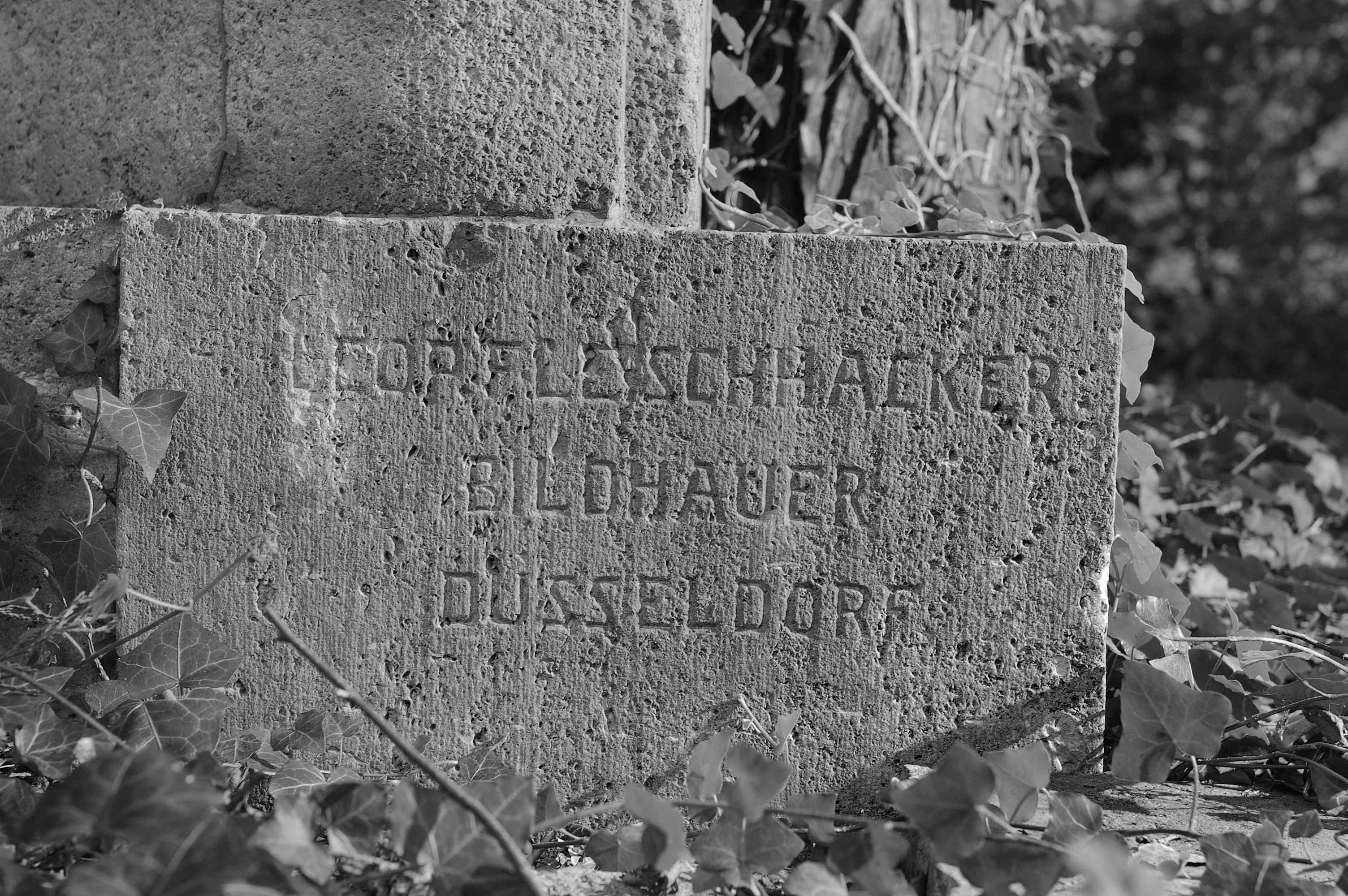
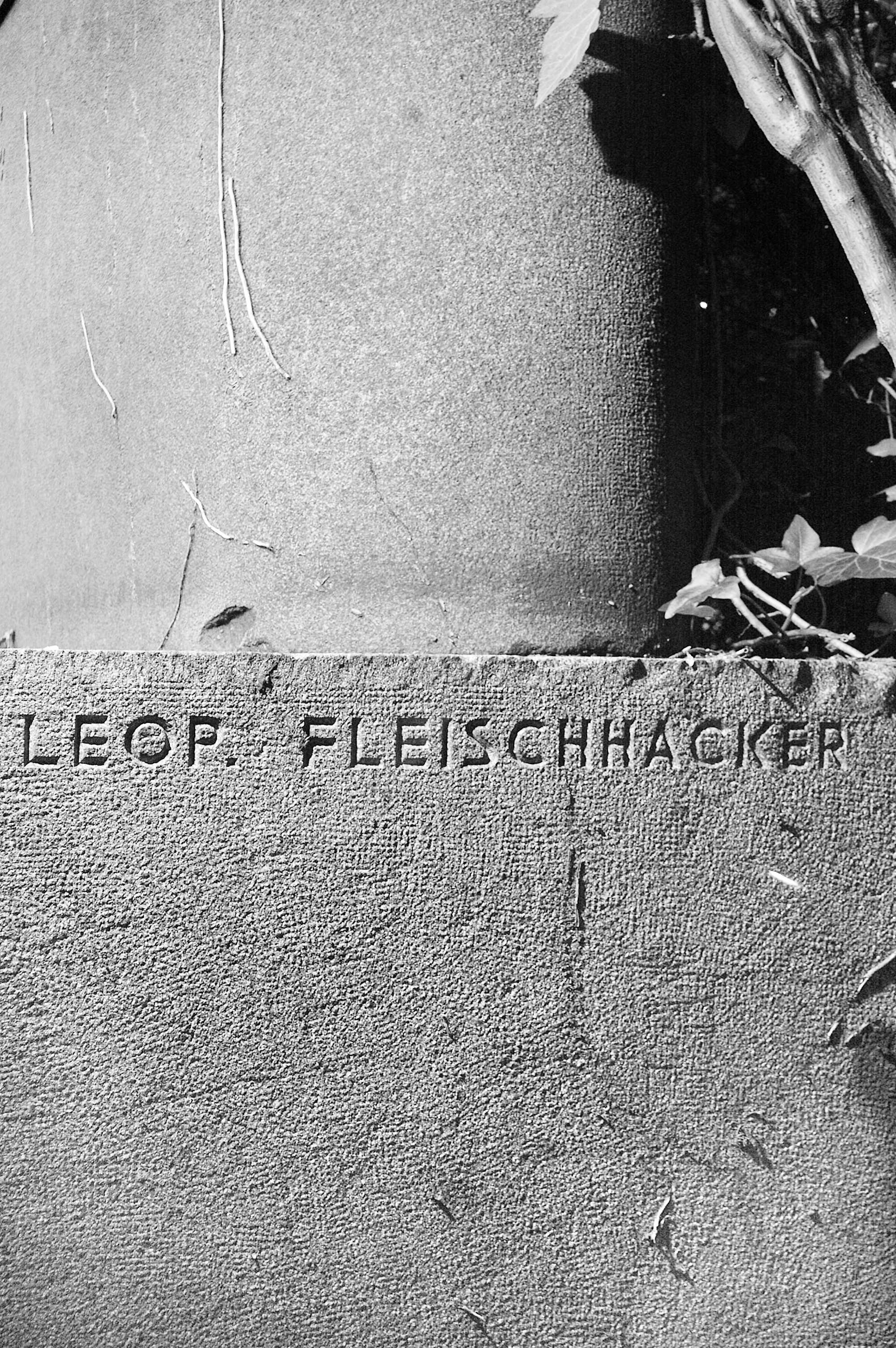
spatio-temporal visualisation
- distribution of symbols
- Brocke, Michael. ‘The Lilies of Worms’. Zutot 8, no. 1 (2011): 3–13.
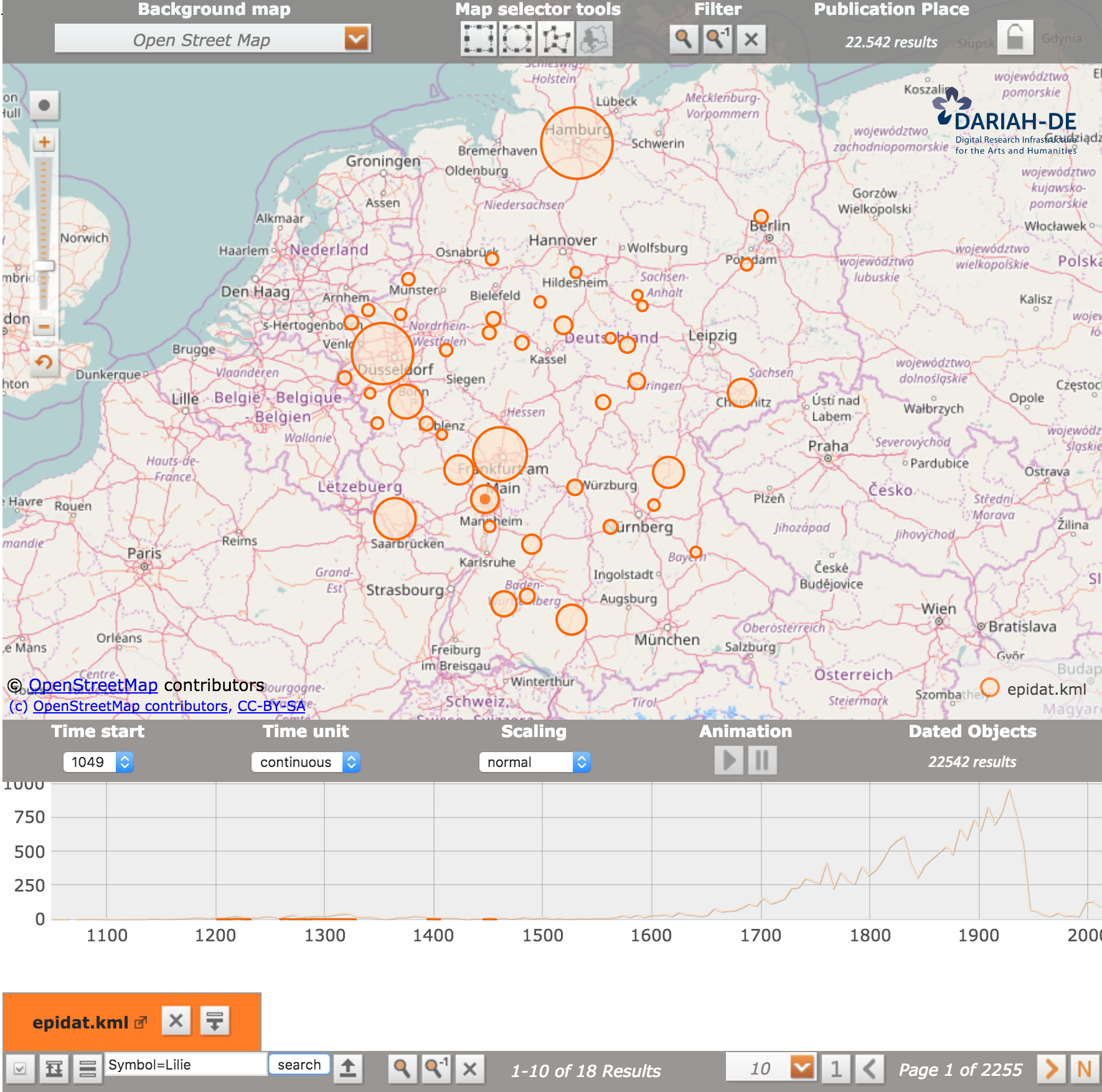
DARIAH-DE geobrowser: symbols
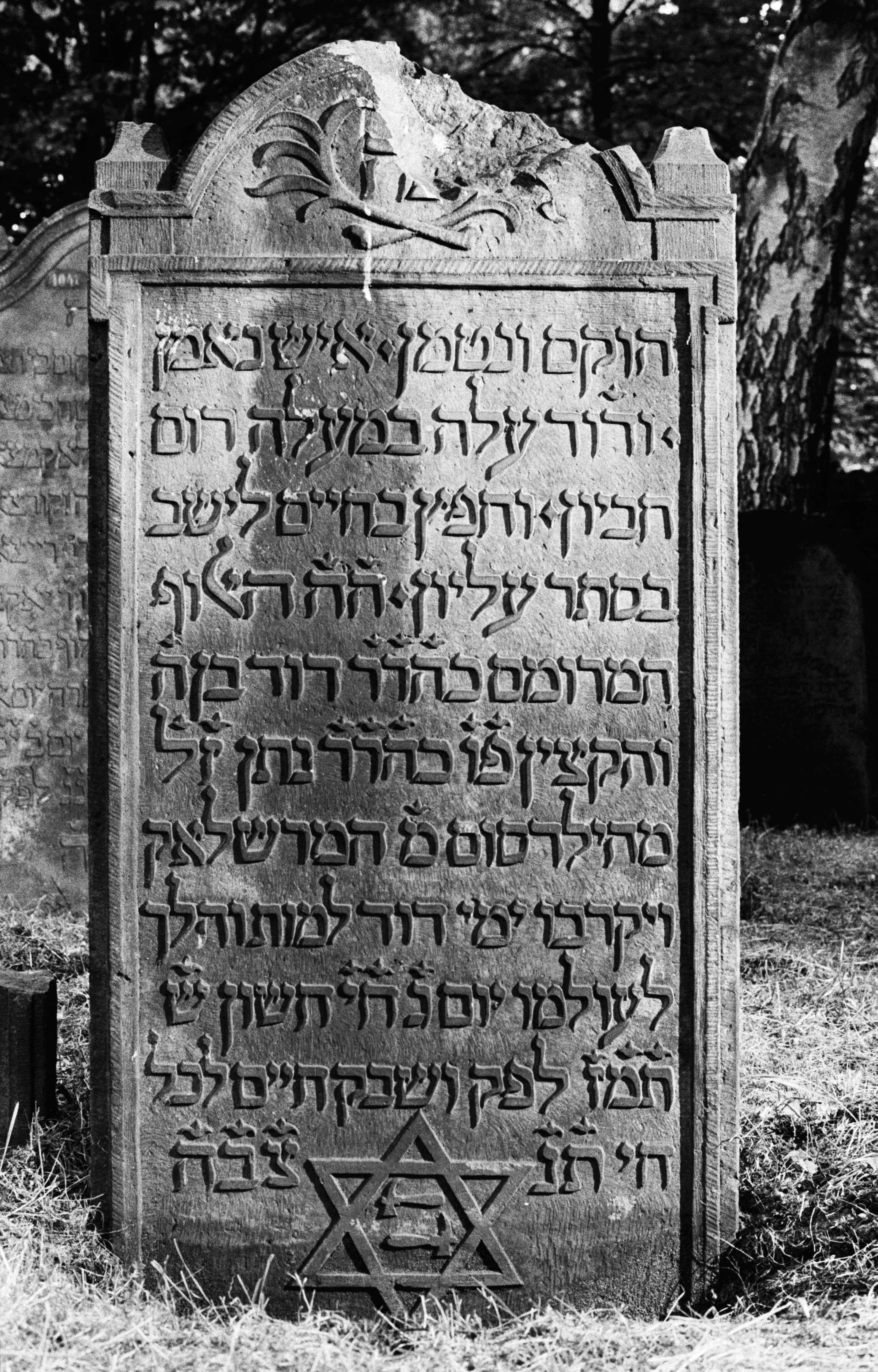
visual and textual art
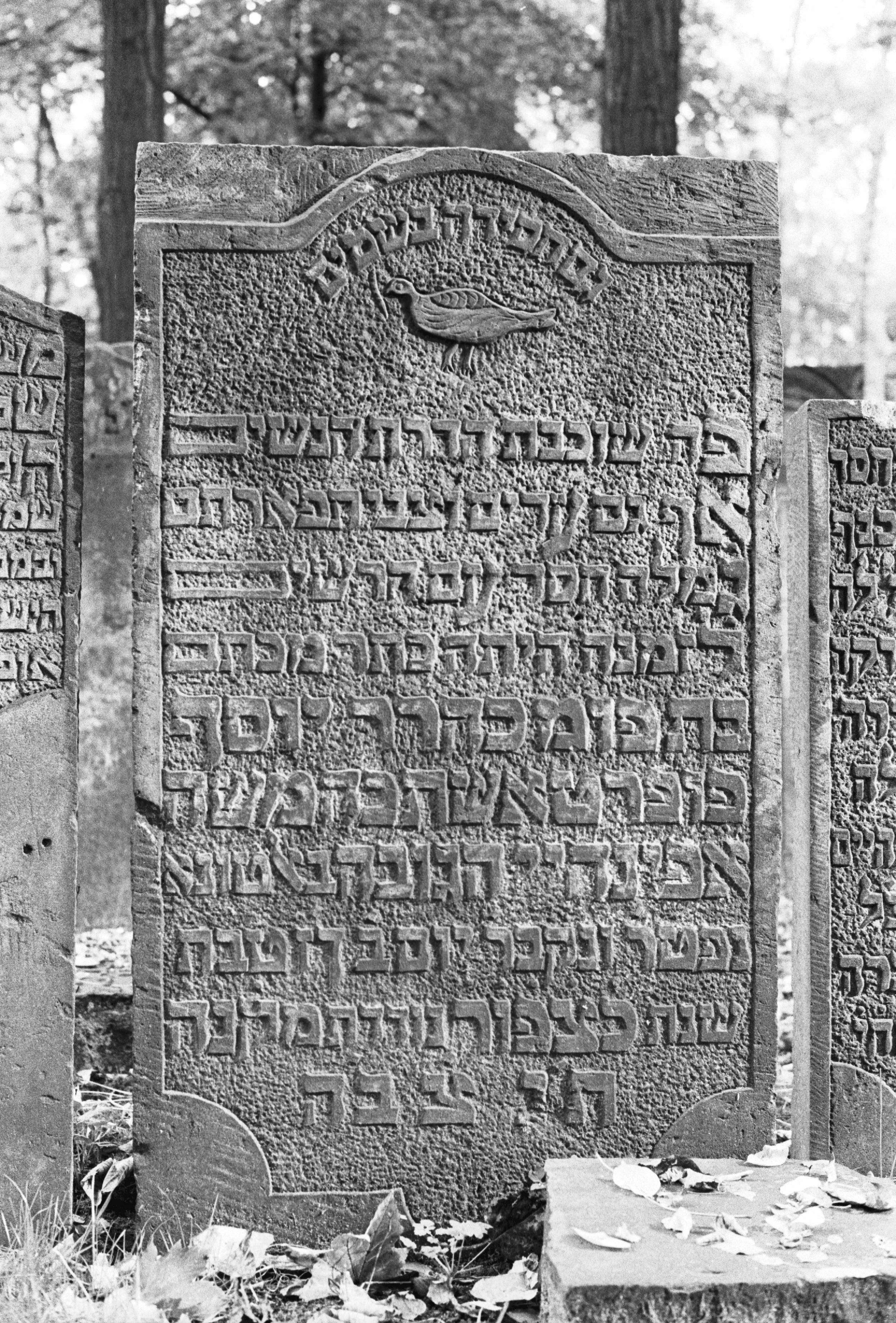
| גם חסידה בשמים |
| פה שוכבת הדרת הנשים |
| אף גם עדים וצבי תפארתם |
| גמלה חסד עם הרשים |
| לזמנה היתה כתר מכתם |
| בת פו״מ כהר״ר יוסף |
| פופרט אשת כ״ה משה |
| אפינהיי׳ הגובה באלטונא |
| נפטר׳ ונקבר׳ יום ב׳ ך״ז טבת |
| שנת כצפור נודדת מקנה |
| תנצב״ה |
- place of burial
- Hamburg
- name(s) | genealogy
- Vogel (in acrostic)
- father Josef Popert
- husband Moshe Oppenheim
- task
- הגובה באלטונא charity administrator
- date_of_death
- 03.01.1791 | 27. Tewet 5551
- symbol
- bird
- style
- rhyme, meter, acrostic, chronostic, play on words
Hamburg-Altona hha-1678, foto by B. Sommer
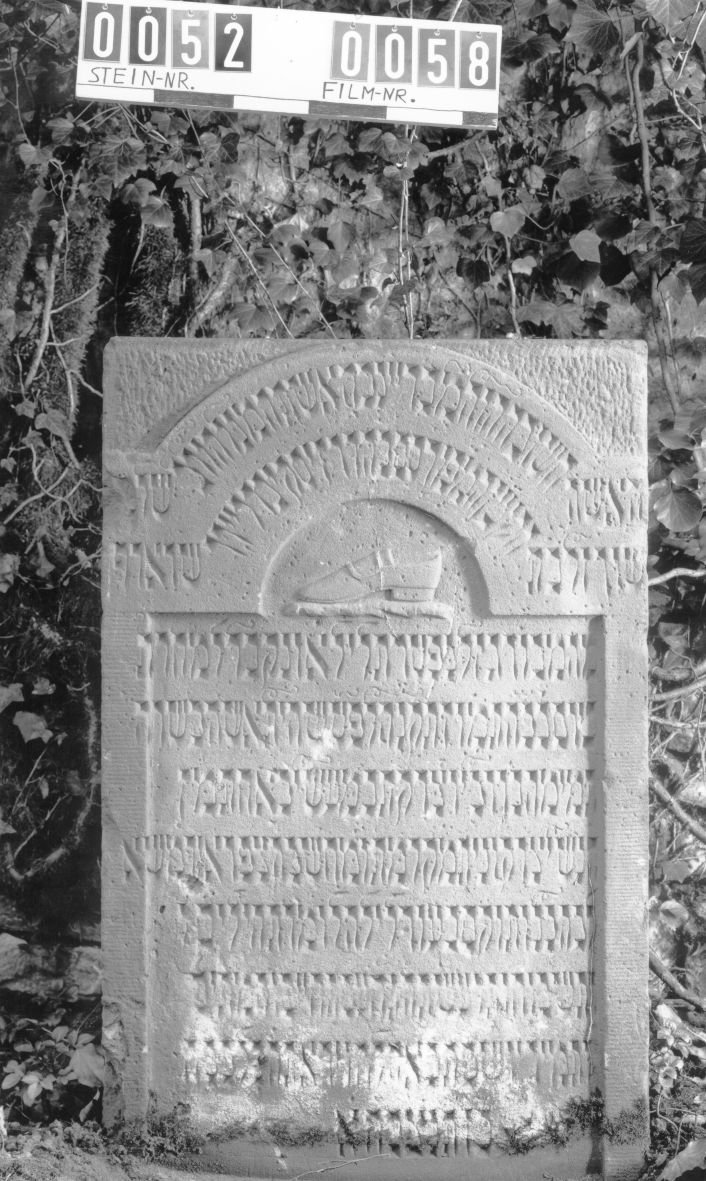
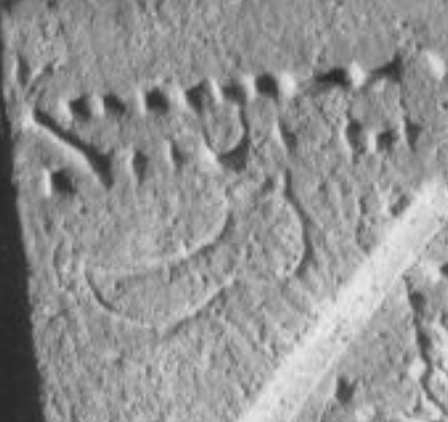
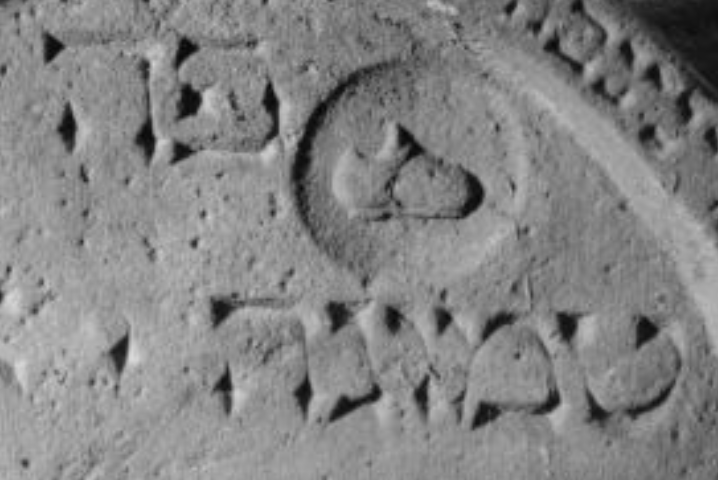
shoes
- first a symbol for relation between persons and houses
- then the former housesymbol became part of family name
- but these symbols also depicting contemporary design as well as everyday culture
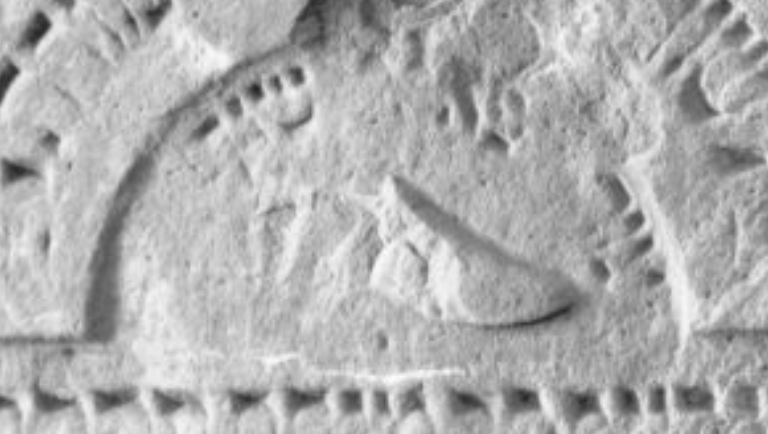
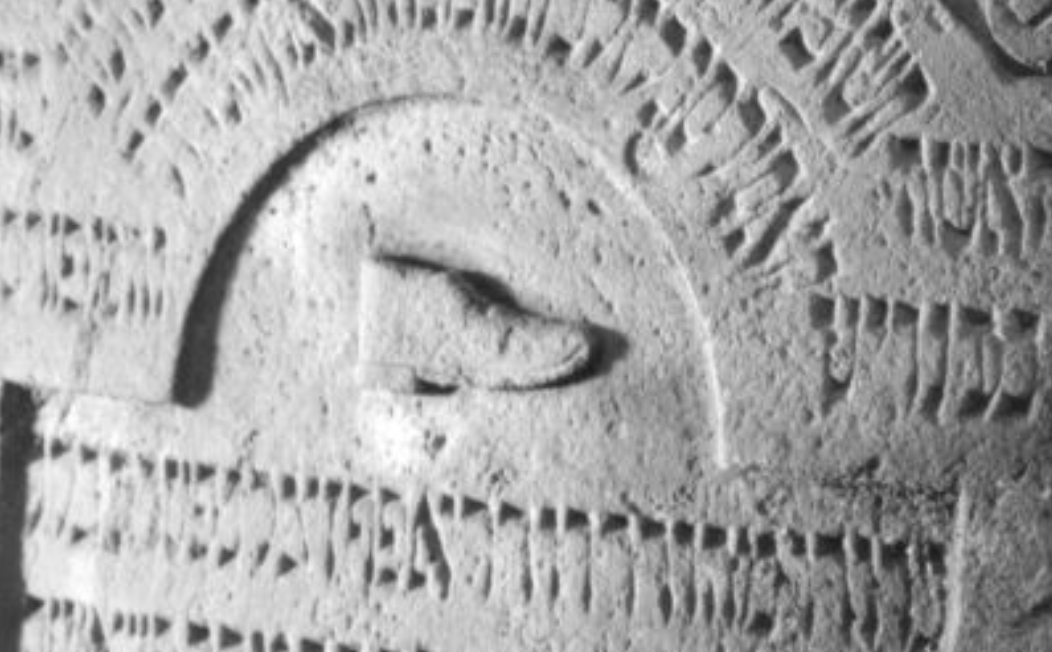
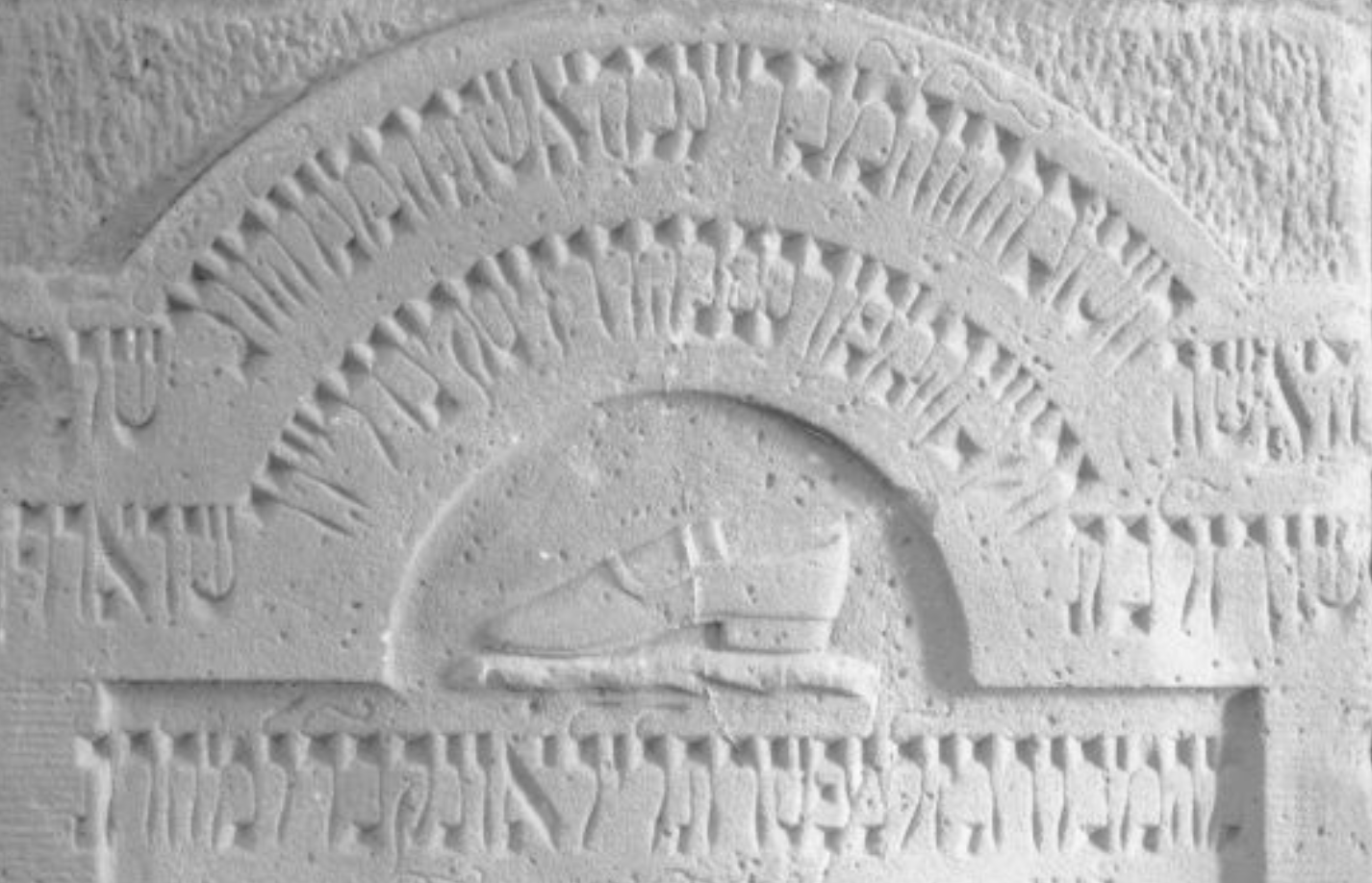
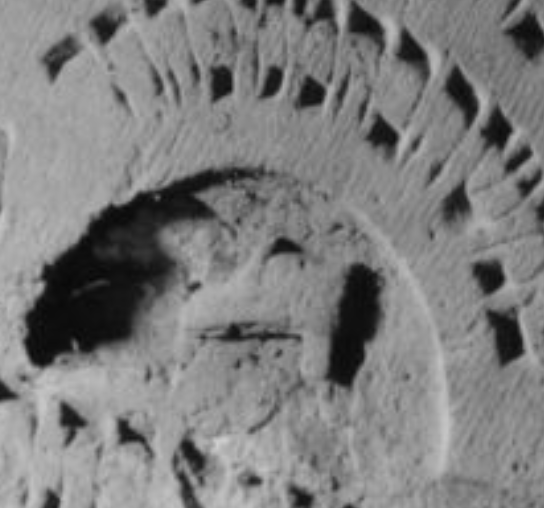
shape and form: switching arches
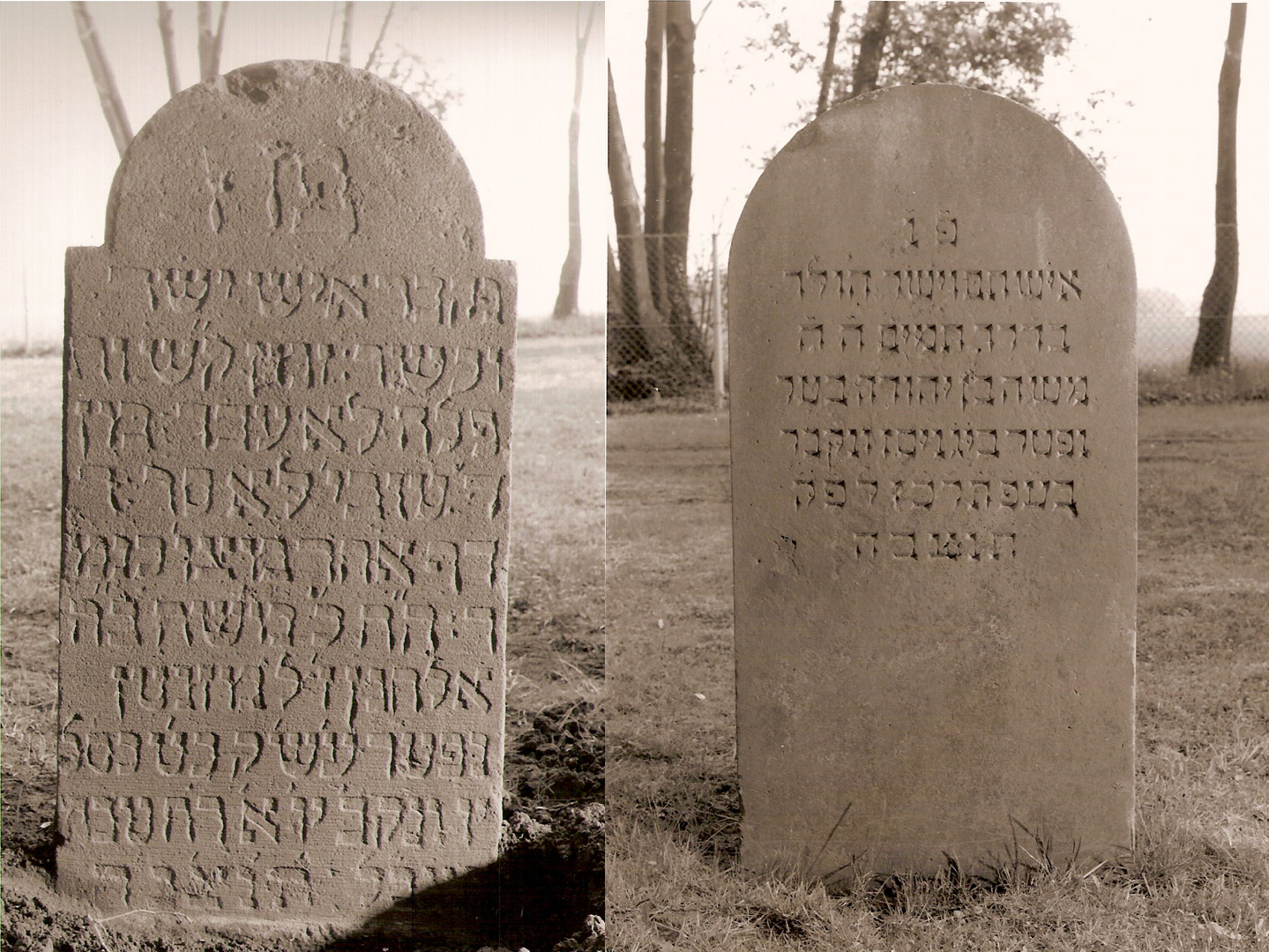
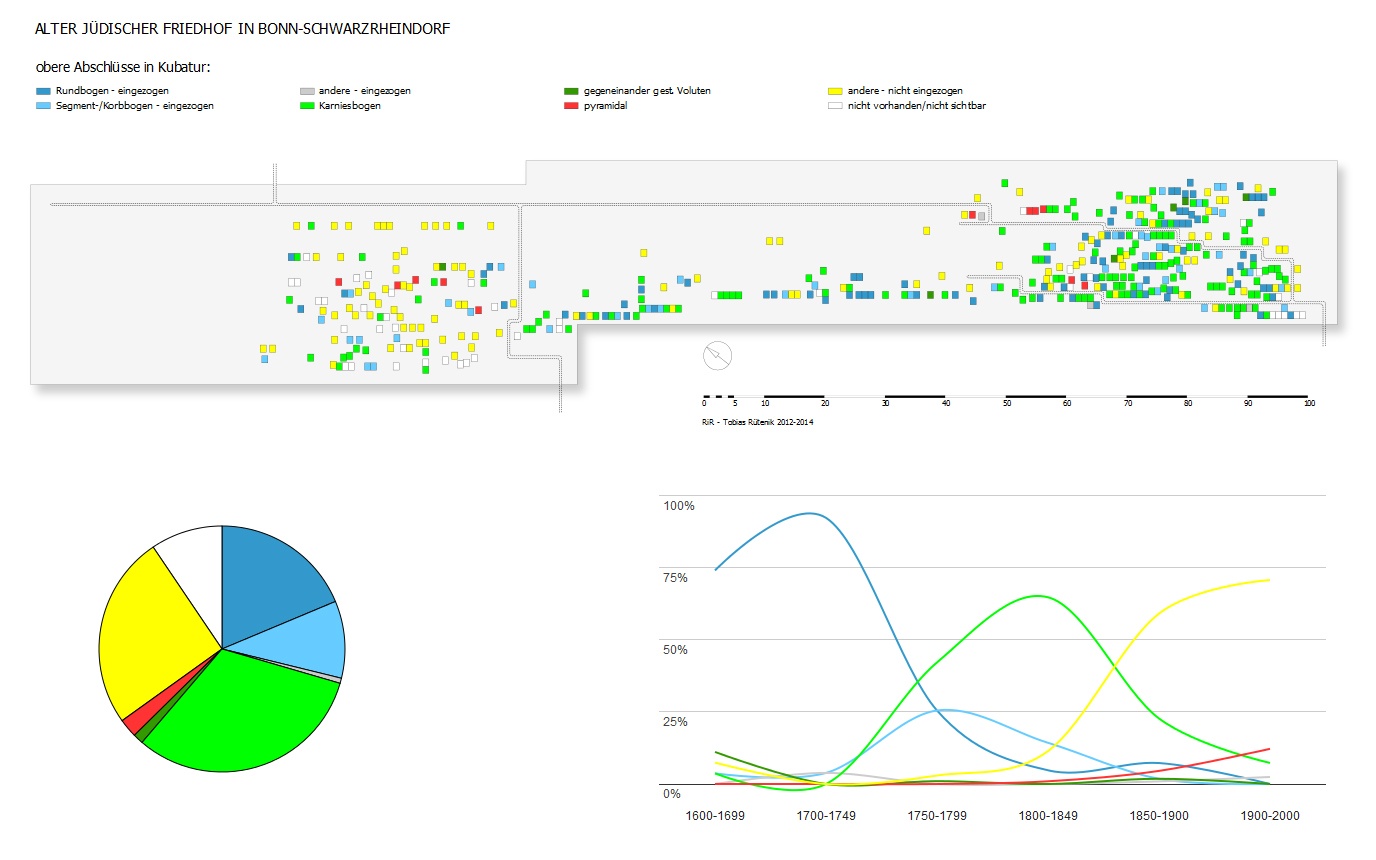
Change in funeral tradition happens slowly. Change manifests itself not only in textual tradition. The slightly transition from ogival arch to round arch as observed in the example above has no counterpart in contemporary text. Cultural change is also reflected in the use of (new) forms. Text and form do not develop synchronously.
02
epidat
What is epidat
epidat is a database
As a database for Jewish gravestone epigraphy, epidat
is used to inventory, document, edit and present epigraphic holdings. Currently inscriptions of Jewish cemeteries from nine centuries and four countries are made available via
chronological, spatial and
thematic approaches.
epidat is a research plattform
As a research platform for Jewish gravestone epigraphy, epidat offers open interfaces to the research data and is involved in interdisciplinary research projects and cooperations in the context of digital epigraphy and Jewish Studies.
epidat is a long-term epigraphic project
Epidat started in 2002 and has been continuously developed since then. The database and research platform was launched online in 2006. Since March 2019 epidat is jointly developed within the framework of a scientific cooperation between the Salomon-Ludwig-Steinheim-Institute, Essen and the Academy of Sciences and Literature | Mainz.
scope
| cemeteries | 221 |
| headstones | 38,373 |
| digital images | 77,373 |
| persons | 45,557 |
| dates | 26,557 |
| countries | 6 |
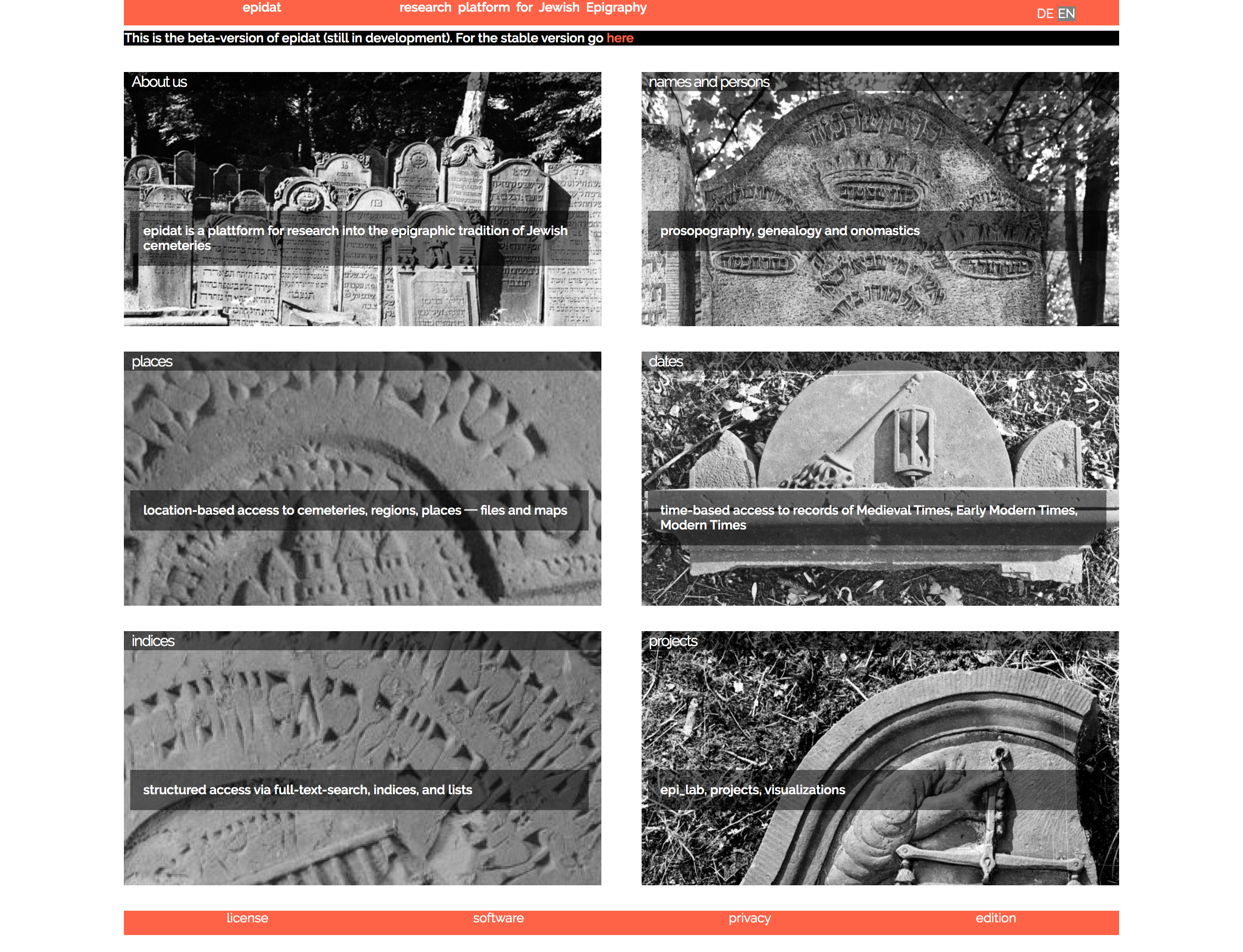
start page of beta version (2020-06)
F I N I S
סוף דבר הכל נשמע
Literature & Software
- Arera-Rütenik, Tobias; Kollatz. 2016. “Interdisziplinäre Perspektiven Auf Grabmale Und Visualisierung Räumlicher Strukturen. Ergebnisse Eines Projektes Zu Historischen Jüdischen Friedhöfen.” Objekt Und Schrift. Beiträge Zur Materiellen Kultur Des Jüdischen Jüdisches Kulturerbe (1): 25–29.
- Bender, Michael, Rapp, Andrea, and Thomas Kollatz. 2018. “Objekte Im Digitalen Diskurs – Epistemologische Zugänge Zu Objekten Durch Digitalisierung Und Diskursive Einbindung in Virtuelle Forschungsumgebungen Und -Infrastrukturen.” In Berlin Studies of the Ancient World. Objektepistemologien. Berlin.
- Kollatz, Thomas. 2015. “Epidat - Datenbank Zur Jüdischen Grabsteinepigraphik. Inventarisierung Und Dokumentation Historischer Jüdischer Friedhöfe.” In Wenn Das Erbe in Die Wolken Kommt. Digitalisierung Und Kulturelles Erbe, 161–68. Essen: Klartext.
- ———. 2018. “EPIDAT. Research Platform for Jewish Epigraphy.” In Crossing Experiences in Digital Epigraphy. From Practice to Discipline. Digital Epigraphy, 231–239. Warsaw, Poland: De Gruyter open. Crossing Experiences in Digital Epigraphy: From Practice to Discipline.
- ———. 2020. “Kanne, Rose, Schuh …: Textbildrelationen in jüdischer Grabsteinepigraphik am Beispiel der Symbole.” In Bilddaten in den Digitalen Geisteswissenschaften, 217–29. Episteme in Bewegung. Beiträge zu einer transdisziplinären Wissensgeschichte 16. Wiesbaden: Harrassowitz Verlag, 2020. https://doi.org/10.13173/9783447114608.217.
- Kollatz, Thomas, and Max Grüntgens. 2018. “Korpusbasiertes Arbeiten und epigraphische Datenbanken. Möglichkeiten und Herausforderungen am Beispiel von EPIDAT und DIO.” Osnabrücker Beiträge zur Sprachtheorie 92: 157–74.
Recent Presentations
- Kollatz, Thomas. 2020. Digital Epigraphy The Case of Epidat: Research Plattform for Jewish Epigraphy. Presented at the Digital Humanities for CS Students, 9 June 2020.
- ———. 2018a. “Jewish Calendar Dates in Epidat: Research Platform for Jewish Epigraphy.” presented at the Godot workshop: Non-Gregorian Calendar Dates in Digitial Humanities, Heidelberg, November 26. https://kollatzthomas.github.io/godot/.
- ———. 2018b. “Epigraphic Research Data as Source for Onomastics and Genealogy: The Case of ‘Epidat’, the Research Platform for Jewish Epigraphy.” presented at the GENEALOGY AND THE SCIENCES, The David Lopatie Conference Centre, Weizmann Institute of Science, Rehovot, Israel, December 17. https://kollatzthomas.github.io/genealogy.
- ———. 2018c. “Digitale Approaches to Cemeteries: Preservation and Education.” presented at the All that remains: Education and Conservation of Jewish Funerary Culture, Utrecht.
- ———. 2018d. “Epigraphische Datenbanken zu den Schum-Gedenkstätten: Status Quo und Desiderata.” presented at the Intensivworkshop Informationssysteme, Mainz Coworking Area im Dock 39.
topic related presentations
- Kollatz, Thomas. 2020. “ epidat – research platform for Jewish Epigraphy: Interface, Re-Use and cooperations (2002-today) ” presented at Epigraphy.info Workshop IV, Hamburg.
- ———. 2019a. “epidat – Forschungsplattform zur jüdischen Grabsteinepigraphik: Edition, Kommentierung, Annotation, Visualisierung und Analyse jüdischer Grabmale aus neun Jahrhundert.” presented at the Vortragsreihe des IZED im Sommersemester 2018: Annotation Kommentar Erläuterung, Wuppertal
- ———. 2019b. “Evolution of a DH-Project: Turns and Trends of a Digital Epigraphic Endeavour.” presented at the Technological Tools for Manuscript Research, Ramat Gan, Bar-Ilan University, Israel, February 13. https://kollatzthomas.github.io/Bar_Ilan_paper.
- Kollatz, Thomas, and Max Grüntgens. 2018. “Annotieren, analysieren, visualisieren. Repositorien mergen, analysieren und visualisieren.” presented at the DARIAH-DE Grand Tour, Darmstadt.
- ———. 2018. “Two Become One: Lifting TEI EpiDoc Encoded Corpora to RDF – The Case of DIO and EPIDAT.” Poster presented at the Linked Pasts IV: Views From Inside The LOD-cloud, Mainz, December 12. https://digicademy.github.io/Two_become_one/.
- Andreas Kuczera, Thomas Kollatz und Torsten Schrade: Methods and Tools for visualising Digital Humanities data sets, DHd 2016 Leipzig
Software used for presentation
- Impress.js (presentation)
- Magnific Popup (Lightbox)
- Unite Gallery (photo gallery)